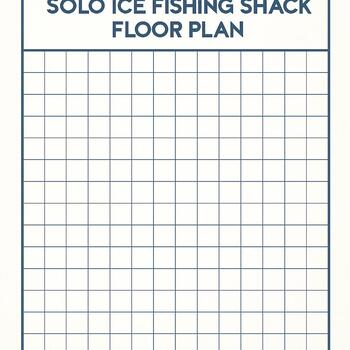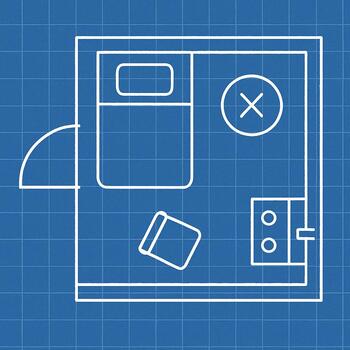
One bunk, two centered holes and a tiny desk shelf along the cold wall.
IceShack Studio is not a store and not a tour page. It is a tiny layout lab where you sketch cabins with cards, grids and mood strips until the inside feels as quiet as fresh snow.
Each session starts with a blank grid and a handful of roles: sleep, cook, gear and safety. You drag bunks, holes, lantern lines and battery nests across the grid until every move in the shack has its own clear lane. The result is a cabin that behaves more like a tidy studio than a random hut on the ice.
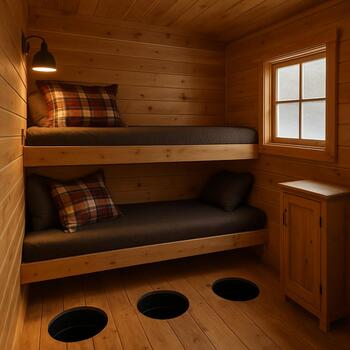
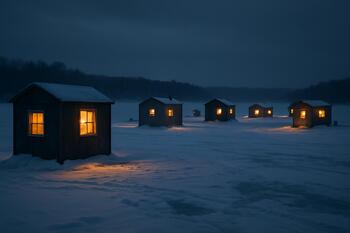
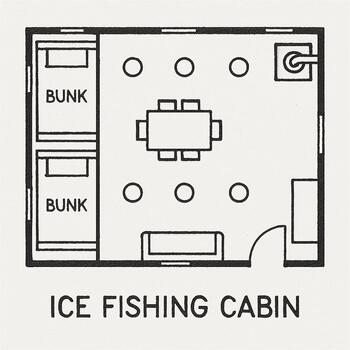
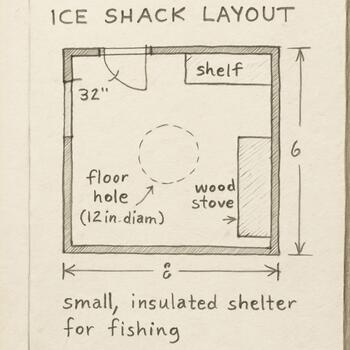
Pick a base rectangle, then let the grid show you how far every step, bunk and fishing hole sits from the heater line.
One bunk, two centered holes and a tiny desk shelf along the cold wall.
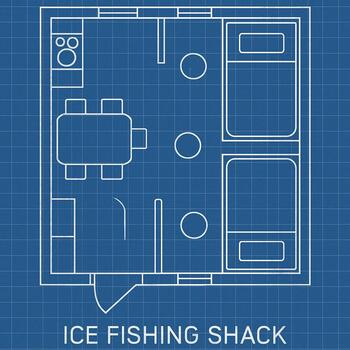
Long bench lanes, four shared holes and a soft corner for a nap.
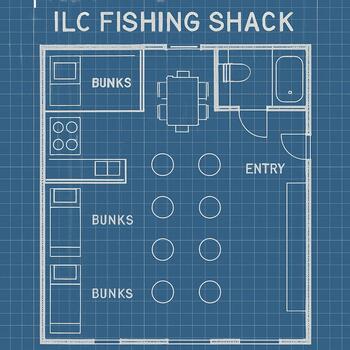
Stove in the corner, staggered holes and a table that folds when the bite is on.
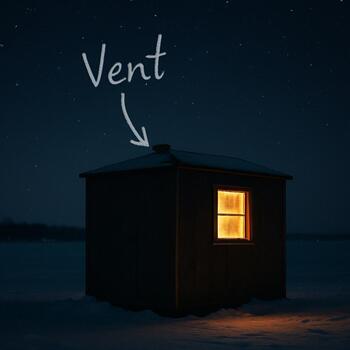
A simple lane shows how air leaves the stove, glides across the bunks and escapes through roof vents.
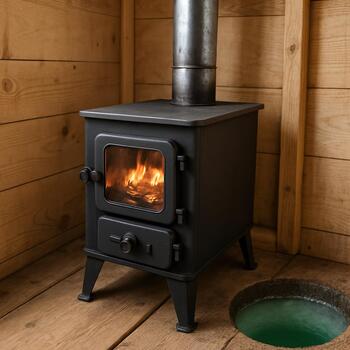
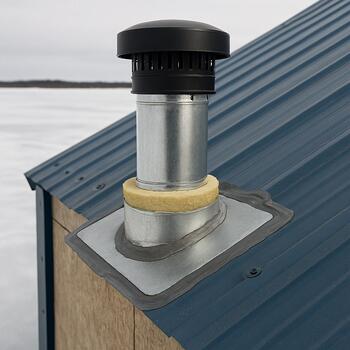
A short path diagram traces how boots, buckets and rods travel between key spots inside the shack.
A small dry corner for boots, cleats and the first gear bin.
Low bench where rods, tackle trays and snacks stay within reach.
Clear floor space around the holes with no stray gear to kick.
Bunk edge where you can rest without blocking the path.
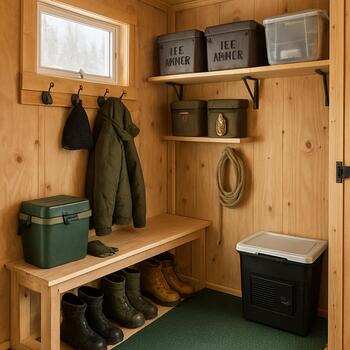
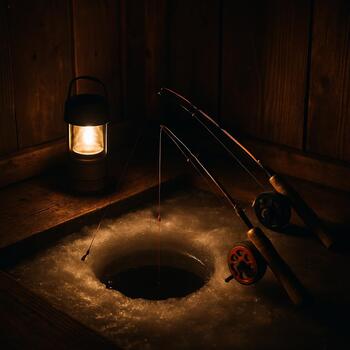
Shuffle light, fabrics and outside glow to switch the cabin from hard-working to soft and sleepy.
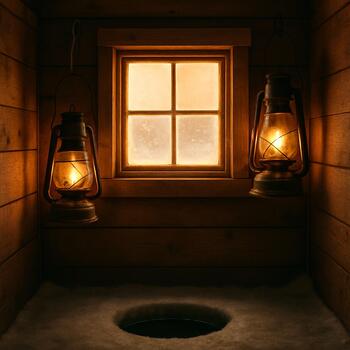
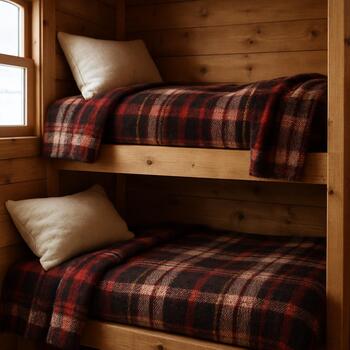
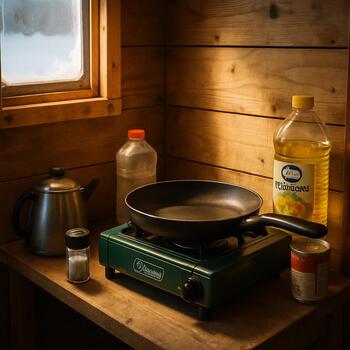
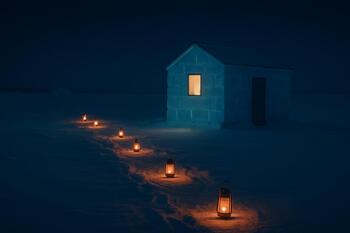
Three tiny lists catch common gaps before the truck even touches the lake edge.
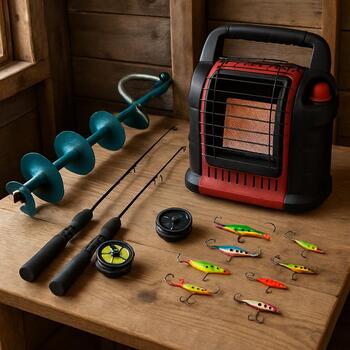
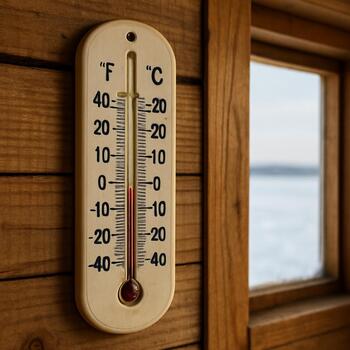
Save cabin states as simple presets instead of rebuilding the scene every time the sun drops.
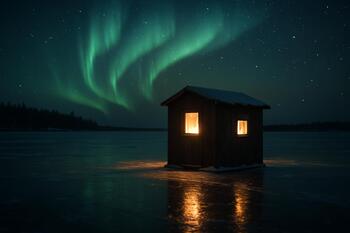
One shack, low light, just two holes and a tiny table for mapping the next moves.
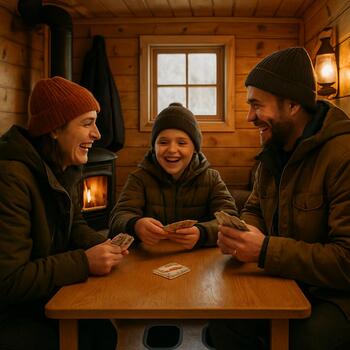
Bunks turned into a soft sofa, rods parked, and a table ready for cards or a late snack.
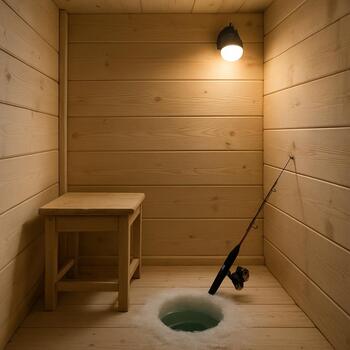
Chair angled toward the sonar, notebook on a ledge and one bunk half-made for short breaks.
Three small roles — sleep, cook and gear — make a mini camp that feels organized even on open ice.
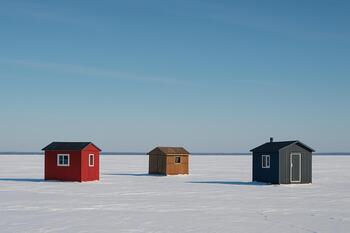
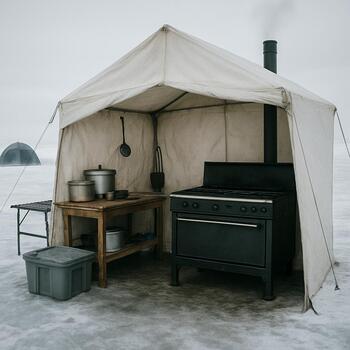
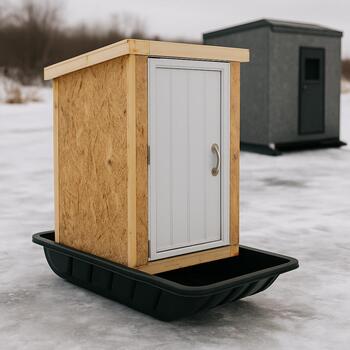
A thin strip along each surface catches clutter before it reaches the hole zone.
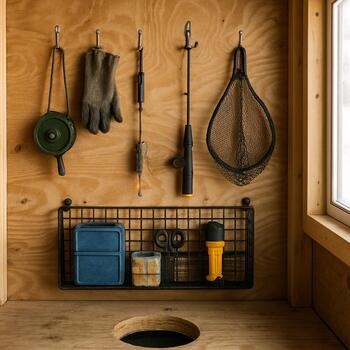
Hooks and soft nets for coats, rods and small bags keep the floor clear.
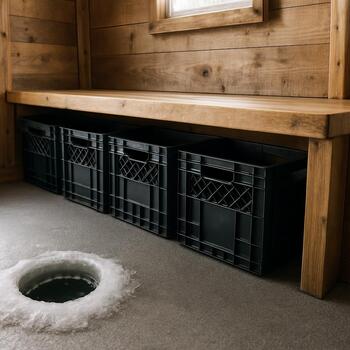
Low crates under the benches hide heavy items and spare buckets.
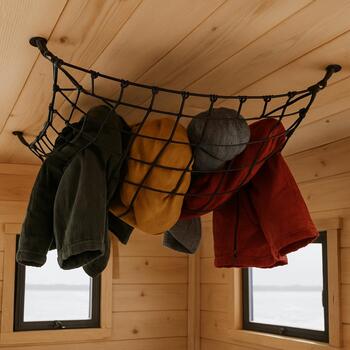
Light netting up high holds spare jackets and a folded blanket.
A short timeline keeps the shack from feeling too loud or too bright during a long night.
Lanterns brighten, stove clicks on and outside path lights mark the way back.
Only the hole zone and one small desk stay lit while the rest of the cabin dims.
Lights slowly rise again and a quiet alarm nudges everyone for a last bite window.
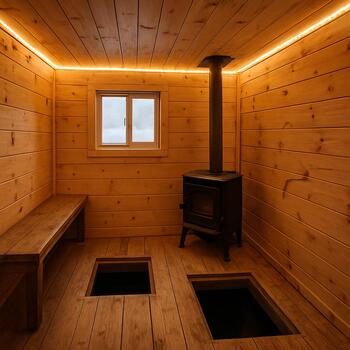
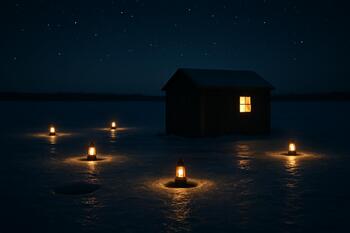
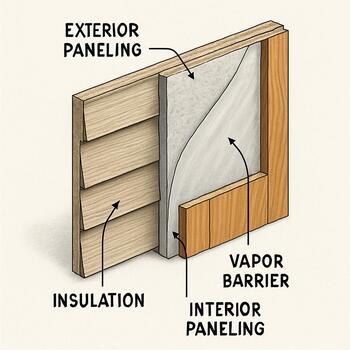
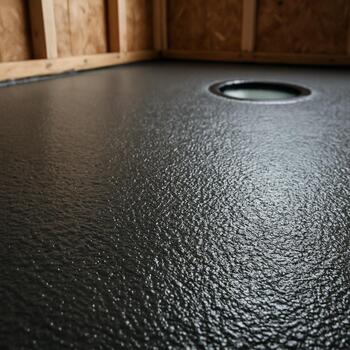
A short palette pairs the shack shell, floor and ceiling so the room sounds soft, not hollow.
Quiet plywood with a thin foam layer so tapping snow does not echo through the bunks.
Dark, grippy coating that hides slush marks and dries quickly.
Light panel color that reflects lantern glow without harsh glare.
A simple map shows where the battery sits, how cables travel and where devices tap in.
A low, vented box near the door keeps heavy batteries out of the way.
One protected track under the bench feeds lights and small electronics.
Limited outlets near the table and bunks avoid a cord nest around the holes.
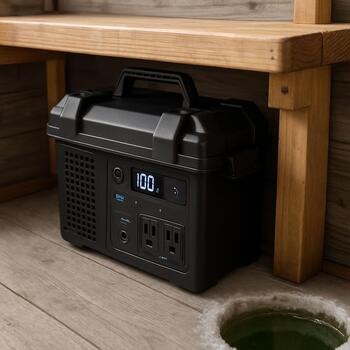
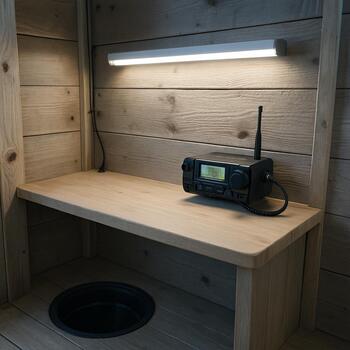
A three-step strip keeps the mess at the edge of the lake instead of inside the cabin.
Heavy tubs land here, not inside the shack, so you only carry what you truly need.
A narrow loading zone where cleats go on and first layers get zipped.
Short mat or boards right outside the shack catch slush before boots step in.
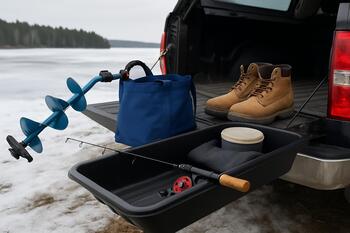
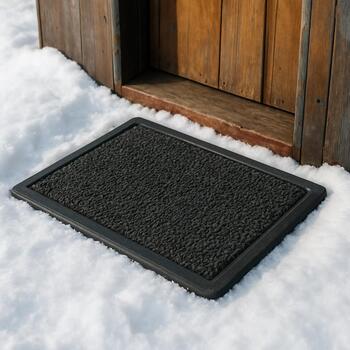
Quick sketches and short lines after each trip help the next cabin layout feel less random.
You do not need a perfect plan. Pick a footprint, drop a heater and place the first bunk where you really like to sit.